
Some rooms never feel right. The living room bakes every summer afternoon, the bedroom picks up every car that drives by, and the old aluminum slider in the kitchen sticks no matter how much you clean the track. More often than not, the windows are the problem.
Windows installation is one of the few home upgrades you notice every single day. The right windows keep heat out in summer, hold warmth in on cool coastal nights, cut outside noise and make a home look newer from the curb. In this guide, the Romans Handyman team explains how new windows improve comfort and efficiency, what energy efficient windows cost in 2026, the best wood for windows, design ideas worth considering and what a professional installation should look like. If you are comparing home installation windows for the first time, start here.
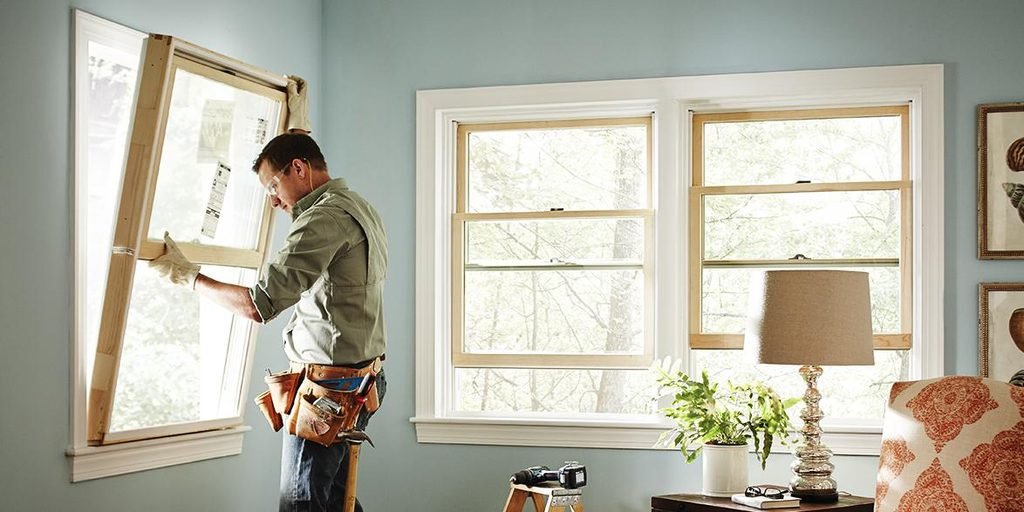
The quick answer:
- Replacing single-pane windows with ENERGY STAR certified windows lowers household energy bills by an average of up to 13 percent nationwide.
- Installed prices commonly run about $800 to $1,600 per window for vinyl and $1,100 to $2,200 or more for fiberglass and wood.
- In California, replacement windows must meet Title 24 energy limits, so check the NFRC label for U-factor and SHGC.
- A good installation matters as much as the window. Poor flashing or sealing can undo the efficiency you paid for.
- The federal 25C tax credit for windows ended on December 31, 2025, so windows installed in 2026 do not qualify.
How Windows Installation Improves Home Comfort
Windows are the weakest part of most walls when it comes to heat. A single-pane window or a worn frame lets heat pour in on a sunny afternoon and slip out at night. New windows installation fixes this in a few ways:
Steadier temperatures. Double-pane glass with an insulating gas fill slows heat moving through the glass.
Less glare and fading. Low-E coatings block much of the sun’s heat and the UV rays that fade floors, rugs and furniture, while still letting in light.
Fewer drafts. Tight, well-sealed frames stop the small air leaks that make rooms feel drafty near the window.
A quieter home. Dual-pane and laminated glass reduce traffic, neighbor and leaf blower noise, which matters on busy streets near Beach Boulevard or the 405.
Less condensation. Warmer interior glass means less condensation on cool mornings, which protects sills, trim and drywall.
Comfort is the benefit people feel first after windows installation. Lower energy bills are the benefit they see a few months later.
Understanding Energy Efficient Windows: What the Labels Mean
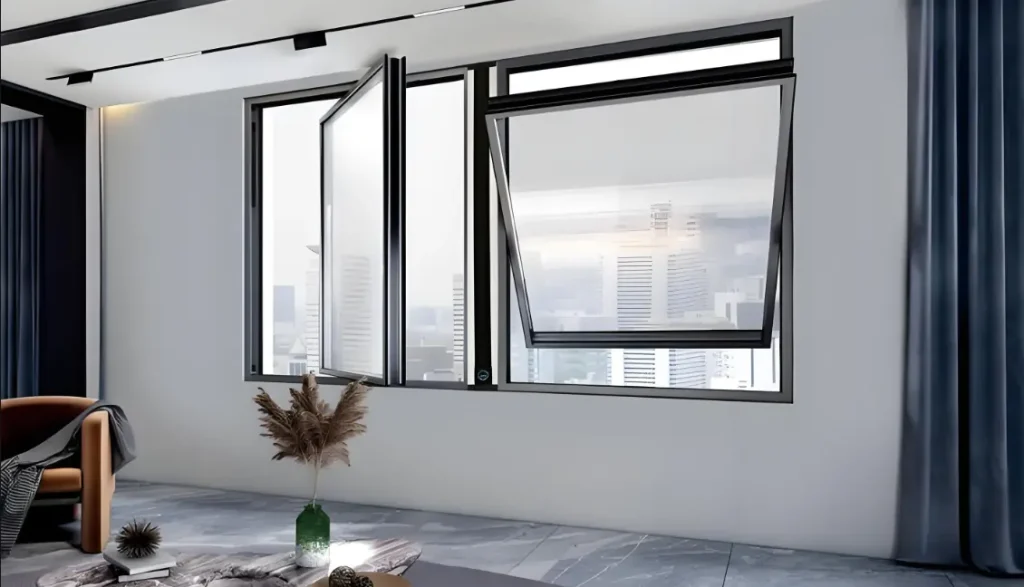
Every window sold for a California home should carry an NFRC (National Fenestration Rating Council) label. Reading it is the easiest way to compare products before any windows installation, without relying on sales claims. These are the numbers that matter most:
U-Factor
U-factor measures how well a window keeps heat from passing through. Lower is better. Most quality dual-pane windows today land around 0.30 or below.
Solar Heat Gain Coefficient (SHGC)
SHGC measures how much of the sun’s heat gets through the glass. Lower numbers block more heat. For sunny Southern California homes, especially on west- and south-facing walls, a low SHGC is one of the best ways to keep rooms cooler.
Visible Transmittance and Air Leakage
Visible transmittance tells you how much daylight comes through, and higher means brighter rooms. Air leakage shows how much air passes through the window assembly, and lower is better.
ENERGY STAR and California Title 24
ENERGY STAR sets performance targets by climate zone. In California, the state energy code (Title 24) also sets limits for replacement windows. For most replacement projects over 75 square feet, windows need a U-factor of 0.30 or lower and an SHGC of 0.23 or lower in climate zones like coastal Orange County. Smaller projects have slightly looser limits. Your installer should confirm the right numbers for your home and leave the NFRC labels on until the inspector has seen them.
Energy Efficient Windows Cost in 2026
Energy efficient windows cost depends mostly on the frame material, the window size and style, the glass package and the type of windows installation. Here are typical installed price ranges per window this year:
| Frame material | Typical installed cost per window | Good to know |
| Vinyl | $800 to $1,600 | Best value, low maintenance, good efficiency. Choose a quality, reinforced frame for large openings. |
| Fiberglass | $1,100 to $2,200 | Very stable in heat and sun, strong, paintable and long lasting. |
| Wood or clad wood | $1,100 to $2,200 and up | Warm, classic look and natural insulation. Clad exteriors cut down on upkeep. |
| Specialty shapes (bay, bow, arched) | Often $2,500 and up | Custom sizing, extra framing and longer lead times add cost. |
These are national planning ranges. Labor in Huntington Beach and the rest of coastal Orange County often lands toward the higher end. A typical whole-home project of 10 average windows might fall somewhere between about $8,000 and $22,000, depending on materials and installation type.
What Pushes the Price Up or Down
- Installation type. Retrofit (insert) windows fit inside the existing frame and cost less. Full-frame replacement removes the old frame down to the studs and costs more, but it lets the installer fix hidden rot and flashing problems.
- Glass upgrades. Triple-pane glass, laminated noise-reducing glass and tempered safety glass all add to the price.
- Size and style. Large picture windows, sliding patio units and custom shapes cost more than standard sizes.
- Condition of the opening. Rotted sills, damaged framing or stucco repair around the opening add labor and materials.
- Finishes and extras. Black or custom exterior colors, upgraded hardware and built-in blinds increase cost.
A Note on Tax Credits
The federal Energy Efficient Home Improvement Credit (Section 25C) ended for property installed after December 31, 2025. Windows installed in 2026 no longer qualify. It is still worth asking your utility whether any local rebates or efficiency programs are available when you plan your project.
Best Wood for Windows: Choosing the Right Material
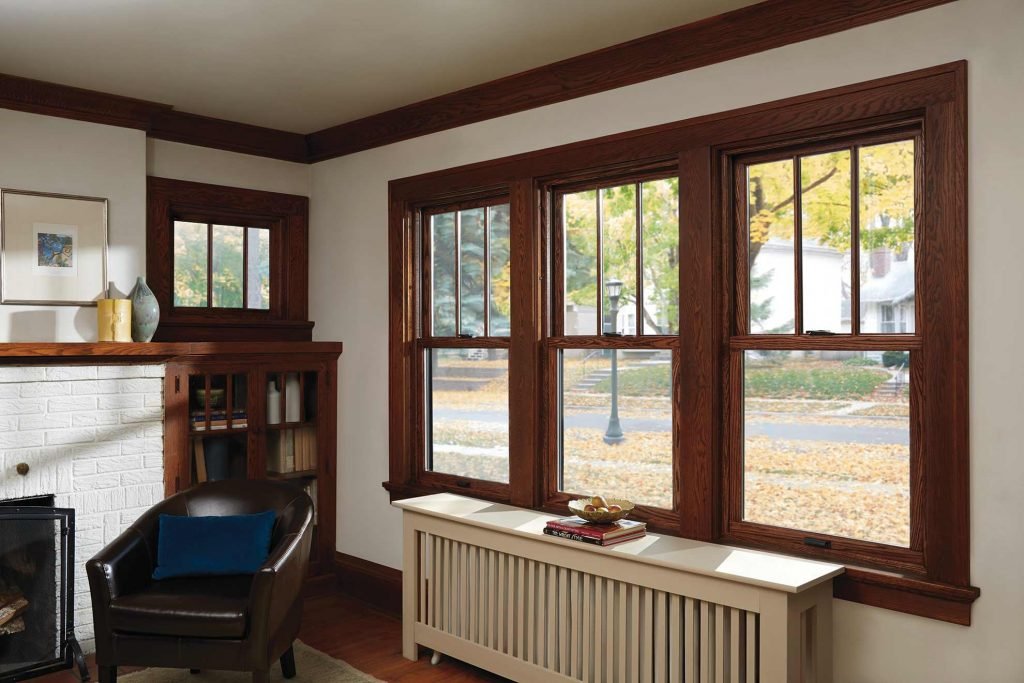
If you love the warmth of a natural wood interior, the best wood for windows is one that resists rot, holds its shape and takes stain or paint well. Here is how the most common options compare:
- Pine. The most common and budget-friendly window wood. It paints and stains well but needs a quality factory finish and regular care to resist moisture.
- Douglas fir. Straight-grained, strong and very stable, so it resists warping. A favorite for painted or natural-finish windows.
- Cedar. Naturally resistant to rot and insects and lightweight. It is softer, so it dents more easily.
- White oak. Dense, durable and handsome with a rich grain. It is heavier and costs more.
- Mahogany. Highly rot resistant with a deep, premium look. Often the most expensive choice.
For homes near the beach, salt air, sun and fog are tough on bare wood. Many homeowners choose clad wood windows, which have a wood interior and an aluminum or fiberglass exterior. You get the warm look inside and much less maintenance outside. If you prefer no upkeep at all, fiberglass and quality vinyl offer wood-look finishes on the interior.
Window Replacement Design Ideas 2026
The best window replacement design ideas 2026 has to offer combine good looks with better performance. These are the trends we see homeowners asking about most:
- Black and dark bronze frames. Thin black frames give a crisp, modern look and pair well with both white stucco and wood siding.
- Bigger picture windows and slimmer frames. Larger glass areas with narrow frames bring in more light and frame the view.
- Casement windows for airflow. Casement windows crank open fully, catch ocean breezes and seal tightly when closed.
- Grid-free glass. Many homeowners are dropping decorative grids for a cleaner, unbroken view.
- Two-tone frames. Painted exteriors with natural wood or wood-look interiors keep a home feeling warm.
- Indoor-outdoor living. Large sliding or folding glass doors open the living room to the patio and make the most of the Southern California climate.
- Quiet glass and built-in shades. Laminated glass and integrated or motorized shades help with privacy, noise and heat control.
Before you choose a style, think about each room. Bedrooms need privacy and egress, kitchens benefit from easy-open windows over the sink, and living rooms are the place to go bigger with glass.
Choosing Home Installation Windows: Styles for Every Room
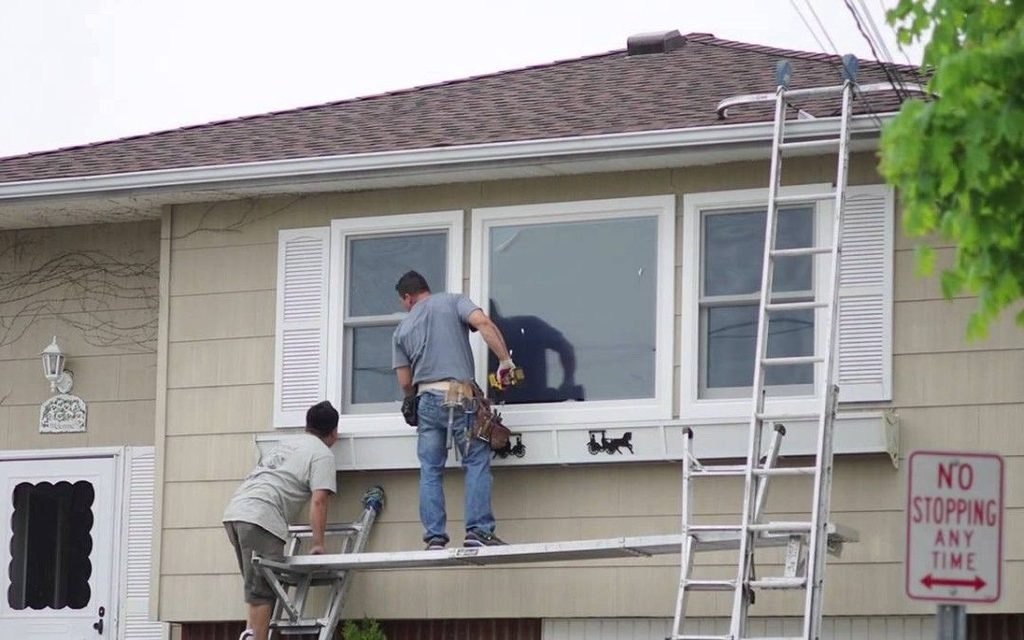
When you shop for home installation windows, the style affects ventilation, cleaning and how well the window seals. Here is a quick guide to match each style with the right room before your windows installation:
- Sliding windows. Easy to use, affordable and good for wide openings, though they ventilate only half the opening.
- Double-hung windows. Both sashes move, they tilt in for cleaning and suit traditional and craftsman homes.
- Casement windows. Open fully, seal tightly and are among the most energy efficient operating styles.
- Awning windows. Hinged at the top, so they can stay open during light rain. Good for bathrooms and above counters.
- Picture windows. Fixed, do not open and give the best efficiency and the biggest view for the price.
- Bay and bow windows. Add space, light and a reading nook, but need extra structural work.
The Professional Windows Installation Process
Even the best window will leak air or water if it is installed poorly. A professional windows installation usually follows these steps:
1. In-Home Consultation and Measurement
Each opening is measured carefully, and the installer checks the frame, sill and surrounding wall for damage. This is also when you decide between retrofit and full-frame installation.
2. Ordering and Lead Time
Custom windows are built to size. Lead times often run several weeks, so plan ahead if you want the work done before summer heat or the rainy season.
3. Careful Removal of the Old Windows
Old windows are removed with care to protect stucco, siding and interior trim.
4. Inspecting and Repairing the Opening
Rotted sills or damaged framing must be fixed before the new window goes in. Square, solid openings are what allow a window to open smoothly and seal properly, which is why professional Windows and Doors Framing is often the first step in a lasting installation.
5. Setting, Leveling and Flashing
The window is set, shimmed until it is level and plumb, and fastened. Flashing tape and sealants are layered so water drains out and away from the wall, not into it.
6. Insulating and Sealing
Gaps around the frame are filled with low-expansion foam or insulation, then sealed inside and out to stop drafts.
7. Trim, Cleanup and Final Check
Interior and exterior trim is finished, every window is opened, closed and locked to check operation, and the work area is cleaned up.
Most homes can have several windows replaced in a day or two, depending on the number of windows and the installation type. A clean, careful windows installation should leave your home ready to use the same day.
Signs Your Home Is Ready for New Windows Installation
Not sure whether you need windows installation yet? Watch for these signs:
- Drafts or cold spots near windows, even when they are closed and locked.
- Fog or moisture trapped between the panes, which means the seal has failed.
- Windows that stick, will not lock or are hard to open.
- Soft, cracked or rotting frames and sills.
- Rooms that overheat on sunny afternoons or rising cooling bills.
- Single-pane glass or outdated aluminum frames from decades ago.
- Too much outside noise coming through the glass.
Windows Installation in Huntington Beach and Costa Mesa: Local Tips
Windows installation near the coast takes extra care. Coastal Orange County homes face a unique mix of strong sun, marine layer moisture and salt air. That makes material choice and installation quality even more important. Look for corrosion-resistant hardware, frames that handle UV well and careful exterior sealing around stucco. Many older homes in Huntington Beach and Costa Mesa still have original aluminum sliders, which are good candidates for an upgrade.
Permits are commonly required for window replacement in California, and Title 24 energy rules apply. Ask your installer who will handle the permit and inspection. If you are in Costa Mesa or a nearby city, you can learn more about our Window Frame Installation in Costa Mesa, CA and the nearby cities we serve.
In California, a handyperson without a contractor’s license can only take on jobs under $1,000 in total, including labor and materials, that need no permit. Larger projects call for a licensed contractor, and you can check any license on the California Contractors State License Board website before you hire.
DIY or Hire a Pro for Windows Installation?
Replacing a single small window can be a DIY project for an experienced homeowner. For most homes, though, a professional windows installation is the safer choice. Here is why:
- Flashing and sealing errors can let water into the wall, where it causes hidden rot and mold.
- Windows that are not level or square stick, leak air and wear out faster.
- Larger windows and sliding doors are heavy and awkward to handle safely, especially on a second floor.
- Permits, Title 24 compliance and safety glass rules near doors, tubs and stairs need to be followed.
- Many manufacturer warranties depend on proper installation.
Hiring a pro costs more up front, but it protects the investment you make in quality windows.
Frequently Asked Questions
How much does windows installation cost in 2026?
Windows installation usually costs about $800 to $1,600 per window for vinyl and $1,100 to $2,200 or more for fiberglass and wood. Coastal Orange County labor rates often land toward the higher end. A free on-site quote gives you an exact number.
Are energy efficient windows worth the cost?
For most homes, yes. Replacing single-pane windows with ENERGY STAR certified windows can lower household energy bills by an average of up to 13 percent, and you also get better comfort, less noise and less fading.
What is the best wood for windows?
Douglas fir and pine are popular for value and stability, while cedar, white oak and mahogany offer more natural rot resistance at a higher price. Near the coast, clad wood windows give you a wood interior with a low-maintenance exterior.
How long does windows installation take?
A few windows can often be installed in one day. A whole home may take two to four days. Ordering custom windows usually takes several weeks before the install date.
What are the top window replacement design ideas for 2026?
Black frames, bigger picture windows with slim frames, casement windows, grid-free glass, two-tone frames and large sliding or folding patio doors are among the most popular choices this year.
Can I still get a federal tax credit for new windows in 2026?
No. The federal 25C credit for windows ended for property installed after December 31, 2025. Ask your utility about any local rebates that may still be available.
About Romans Handyman
Romans Handyman serves homeowners in Huntington Beach, Costa Mesa, Newport Beach, Fountain Valley, Seal Beach and Long Beach. Along with windows and doors, the team handles framing, drywall installation and repair, tile installation and repair, bathroom remodeling, and woodwork and carpentry. Explore our full range of Handyman Services in Huntington Beach, CA . Free quotes are available for every job.