
Your bathroom works harder than almost any room in the house. It sees steam every morning, splashes every night, and wet feet on the floor all day. The tile you pick and the quality of the tile installation decide whether that room still looks great in fifteen years or starts showing cracked grout, loose pieces and hidden water damage in three.
Good tile installation is about more than picking a pretty color. It starts with choosing the right material for each surface, continues with careful prep and waterproofing, and ends with grout and sealing that keep moisture where it belongs. This guide walks you through each step, along with the repair warning signs to watch for and how to decide who should do the work.
The quick answer:
- Choose porcelain or glazed ceramic for most bathroom floors and walls, and save natural stone and glass for areas where you are ready for extra care.
- Floor tile must be slip resistant when wet. Smaller tiles with more grout lines give better grip in showers.
- Most tile failures come from poor prep, not bad tile. Waterproofing and a flat, solid base matter most.
- Fix cracked grout, hollow-sounding tiles and loose pieces early, before water reaches the subfloor.
Start With How You Use the Bathroom
Before you look at a single sample, think about who uses the room and how. A busy family bathroom with kids needs tile that hides water spots and handles daily cleaning. A primary bath might be the place for a statement shower wall. A powder room with no shower gives you the most freedom, since it rarely gets soaked.
It also helps to pick a style first and let it guide your tile choices. A classic look might mean white subway tile and a hex floor. A modern spa feel often uses large gray or warm-toned porcelain. A coastal style, which suits many Orange County and Long Beach homes, leans on soft blues, sandy neutrals and natural textures. Once the style is set, narrowing hundreds of options down to a few becomes much easier.
Keep the Tile Count Simple
Most good-looking bathrooms use only three to five tiles: one for the floor, one for the walls, one for the shower floor, and maybe an accent or trim piece. More than that and the room starts to feel busy, especially in a smaller space. Pick one feature, such as a patterned floor or a tiled niche, and let the rest stay quiet.
Compare the Best Bathroom Tile Materials
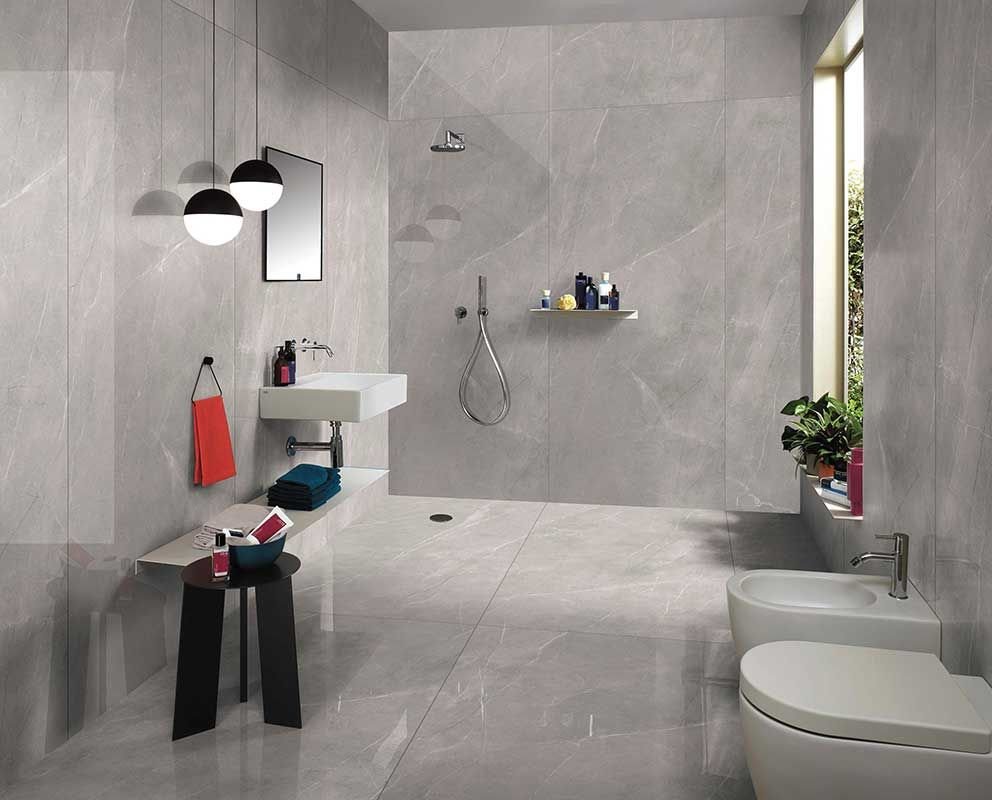
Each tile material has strengths and trade-offs. Here is how the most common options compare in a bathroom:
| Material | Water resistance | Best bathroom use | Upkeep |
| Porcelain | Very high, absorbs almost no water | Floors, shower walls, shower floors | Low, no sealing needed for the tile itself |
| Glazed ceramic | High on the glazed face | Walls, backsplashes, low-traffic floors | Low |
| Natural stone (marble, travertine, slate) | Porous unless sealed | Vanity walls, feature areas, floors with a honed finish | Higher, reseal regularly |
| Glass | Fully waterproof | Accent strips, backsplashes, niches | Medium, shows water spots |
| Mosaic (any material on a mesh sheet) | Depends on the material | Shower floors, niches, accents | Medium, more grout to clean |
Porcelain is the workhorse of bathroom tile installation for good reason. It is dense, hard and nearly waterproof, and it comes in looks that copy marble, wood and concrete without the upkeep. Glazed ceramic costs less and is easier to cut, which makes it a great choice for walls. Natural stone is beautiful, but it is softer and more porous, so it needs sealing and gentler cleaners. Polished marble on a shower floor can also be very slippery.
Choose Floor Tile That Is Safe When Wet
A bathroom floor has one job above all: keeping people on their feet. Tile slip resistance is measured by its dynamic coefficient of friction, or DCOF. The industry standard for ceramic tile, ANSI A137.1, calls for a DCOF of at least 0.42 for level interior floors that will be walked on when wet. You can usually find this number on the product spec sheet. If it is not listed, ask the supplier before you buy.
A few more tips for safer bathroom floors:
- Choose matte, textured or honed finishes over high-gloss polished tile.
- Use small tiles, such as 2-inch mosaics or hexagons, on shower floors. The extra grout lines add grip, and small tiles bend to the slope toward the drain.
- Save large-format tiles for the main floor, where the surface is flat.
- Think about grout color. Mid-tone grays and beiges hide everyday dirt better than bright white.
Plan the Layout Before the First Tile Goes Down
Size and pattern change how a bathroom feels. Large tiles with few grout lines make a small room look bigger and are easier to clean. Long, narrow tiles laid horizontally can make a narrow bathroom feel wider. Vertical subway tile draws the eye up and makes a low ceiling feel taller.
Pattern affects cost too. Herringbone, chevron and diagonal layouts take more cuts and more time, so expect more waste and a higher labor bill. A good installer will dry-lay the tile or map the layout first so that cut pieces land in hidden spots, not at the doorway or in the middle of a shower wall. If you are planning a full bathroom remodel, sort out the layout early, because it affects where the niche, the valve and the drain should go.
Tile Installation Steps That Prevent Future Repairs
When a tile job fails, the cause is almost always under the surface. Here is what a careful tile installation process looks like in a bathroom:
- Check the subfloor. The floor must be solid, with no bounce. Flex in the floor is one of the top causes of cracked tile and grout.
- Install the right backer. Shower walls need cement board or a foam board system, not standard drywall, which breaks down when it gets wet.
- Waterproof wet areas. A liquid or sheet membrane on shower walls, the shower floor and around the tub keeps water out of the wall cavity. This is the step you cannot see later, and the one that matters most.
- Flatten the surface. Large tiles need a very flat base, or the edges sit uneven, which installers call lippage.
- Set the tile with full coverage. Using the right trowel and thinset for the tile size helps make sure there are no hollow spots underneath.
- Leave movement joints. Tile expands and contracts. Flexible caulk, not grout, belongs at corners, changes of plane and where tile meets the tub.
- Grout and seal. Cement grout should be sealed once it cures. Epoxy and some premixed grouts resist stains and do not need sealing.
For a deeper look at each step, see our complete guide to professional Tile Installation.
Bathroom Tile Repair: Warning Signs You Should Not Ignore
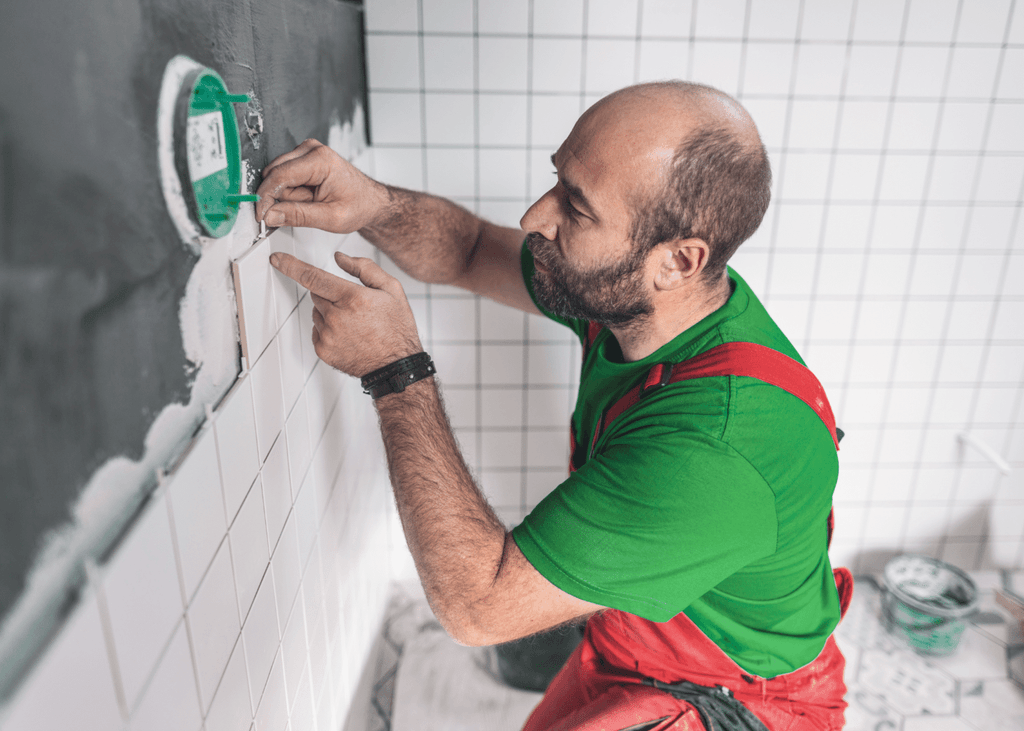
Small tile problems become big ones when water gets behind them. Call for a repair when you notice any of these:
- Cracked or missing grout. Gaps let water soak into the backer and subfloor.
- Hollow-sounding tiles. Tap a tile with a coin. A hollow sound often means it is losing its bond.
- Loose or rocking tiles. These can crack neighbors and trip people.
- Dark grout lines or mildew that keeps coming back. This can point to trapped moisture.
- Stains or soft spots on the ceiling below a bathroom. This is a sign of a leak that needs attention right away.
Can You Repair Just a Few Tiles?
Often, yes. A single cracked tile can be cut out and replaced, and worn grout can be removed and redone without tearing out the whole floor. It helps to keep a few spare tiles from the original job, because matching an older color or size later can be hard. If water damage has spread to the backer or subfloor, though, a spot repair will not hold, and that section needs to be rebuilt.
Simple Upkeep That Makes Tile Last
Run the exhaust fan during showers and for 20 to 30 minutes after. Squeegee shower walls to cut down on soap scum and mineral spots. Clean with a pH-neutral cleaner, since harsh acids and bleach can wear down grout and etch stone. Reseal cement grout and natural stone on the schedule the product maker recommends.
Handyman vs Tile Contractor: Who Should Do Your Tile Work?
The handyman vs tile contractor question comes down to the size of the job. In California, an unlicensed handyperson can take on jobs that total less than $1,000 in labor and materials combined, but only if the job needs no building permit and they do not hire workers, according to the Contractors State License Board. That limit rose from $500 to $1,000 on January 1, 2025. Jobs above that amount must be done by a licensed contractor.
As a rule of thumb:
- Small fixes, such as regrouting, replacing a few cracked tiles or recaulking a tub, are often a good fit for a skilled handyman.
- Full shower rebuilds, new floors across a whole bathroom, and anything that moves plumbing or needs a permit call for a licensed contractor.
Whoever you hire, ask to see their license and proof of insurance, and check the license number on the CSLB website. Many homeowners like working with one team that handles tile along with the drywall, carpentry and plumbing fixes a bathroom project often uncovers. If you are in the Long Beach area, learn more about our Residential Handyman Services in Long Beach, CA.
Ask About a Tile Installation Warranty
A tile installation warranty tells you what the installer will stand behind if something goes wrong. Before work begins, ask:
- Is the warranty in writing, and how long does it last?
- Does it cover labor, materials, or both?
- Does it cover cracked grout, loose tiles and leaks?
- What would cancel it, such as using harsh cleaners or skipping grout sealing?
Keep in mind that tile and setting materials often carry their own manufacturer warranties, and many of those require installation to follow the maker’s instructions. That is one more reason to hire someone who follows proper methods.
Bringing Tile Beyond the Bathroom
Once you see what good tile can do, it is easy to want more of it around the house. Here are a few popular projects that use the same planning skills:
Tile Accent Wall in the Living Room
A tile accent wall in the living room adds texture and a focal point without changing the whole room. Behind a TV, around a fireplace or on a short wall by the entry, options like stacked stone look tile, 3D ceramic, zellige or long vertical subway tile all work well. Because a living room wall stays dry, you have more freedom with materials than you do in a shower.
Outdoor Patio Tile Ideas for Southern California
Mild weather makes outdoor living a big part of life here. Some outdoor patio tile ideas that suit coastal homes include wood-look porcelain pavers for a deck feel without the upkeep, terracotta-style porcelain for a Spanish or Mediterranean home, and large stone-look pavers that carry your indoor floor out to the yard. For outdoor use, choose tile rated for exterior use with a textured, slip-resistant surface, and make sure the patio slopes away from the house so water drains off.
Frequently Asked Questions
What is the best tile for a bathroom floor?
Porcelain is the best choice for most bathroom floors. It is dense, nearly waterproof and durable. Look for a matte or textured finish with a DCOF rating of 0.42 or higher for safety when wet.
How long does bathroom tile installation take?
A small bathroom floor can often be done in two to three days, including time for thinset and grout to cure. A full shower with waterproofing usually takes longer. Your installer should give you a timeline with the estimate.
Can new tile go over old tile?
Sometimes. If the old tile is flat, solid and well bonded, it may work as a base. But it raises the floor height, can cause problems at doors and toilets, and hides any damage below. In a shower, removing the old tile is usually the better choice.
How often should bathroom grout be sealed?
Cement grout is usually resealed every one to two years, depending on the product and how much the shower is used. Follow the sealer maker’s directions. Epoxy grout does not need sealing.
Should I hire a handyman or a tile contractor for tile repair?
For small repairs under California’s $1,000 limit that need no permit, a skilled handyman can be a good fit. For larger jobs, hire a licensed contractor.
What should a tile installation warranty cover?
A good warranty covers workmanship problems such as loose tiles, cracked grout from installation errors, and leaks from failed waterproofing. Get the terms in writing before work starts.
About Romans Handyman
Romans Handyman serves homeowners across Huntington Beach, Long Beach, Costa Mesa, Newport Beach, Fountain Valley and Seal Beach. Along with tile installation and repair, the team handles bathroom remodeling, drywall, framing, window and door framing, woodwork and carpentry, and general handyman work, so one call can cover the small issues a bathroom project often turns up.
Get a Free Quote for Tile Installation and Repair
The right tile, a solid base and careful waterproofing are what make a bathroom last. Whether you need a few cracked tiles replaced, fresh grout, or help planning a new bathroom floor, Romans Handyman can walk you through your options and give you a clear quote.
Looking for trusted Handyman Services in Huntington Beach, CA and nearby cities? Call 714-728-1305 or email romanshandyman@gmail.com to request your free quote today.